You’ve figured out what type of treadmill you need, how much you should spend and which features and specifications matter most. Before you actually buy one, there’s one more thing to consider: the red flags.
We’ve come across plenty of treadmills over the years that look great on paper but aren’t machines we’d recommend buying. Sometimes it’s poor construction, sometimes it’s an unrealistic specification and sometimes the treadmill simply isn’t a good match for the person buying it.
Here are some of the things that would make us think twice.
1. It Doesn’t Feel Stable
A treadmill shouldn’t shake excessively or feel unstable when you’re using it.
Some movement is normal, particularly when running at faster speeds, but you shouldn’t feel like the entire console and frame are moving with every stride.
This is especially important if you’re a runner or a larger user. A treadmill that feels questionable while walking at 3 mph isn’t going to suddenly get better when you’re running at 7 or 8 mph.
2. The Running Surface Is Too Small for You
Don’t buy a treadmill simply because the specs say it can handle running.
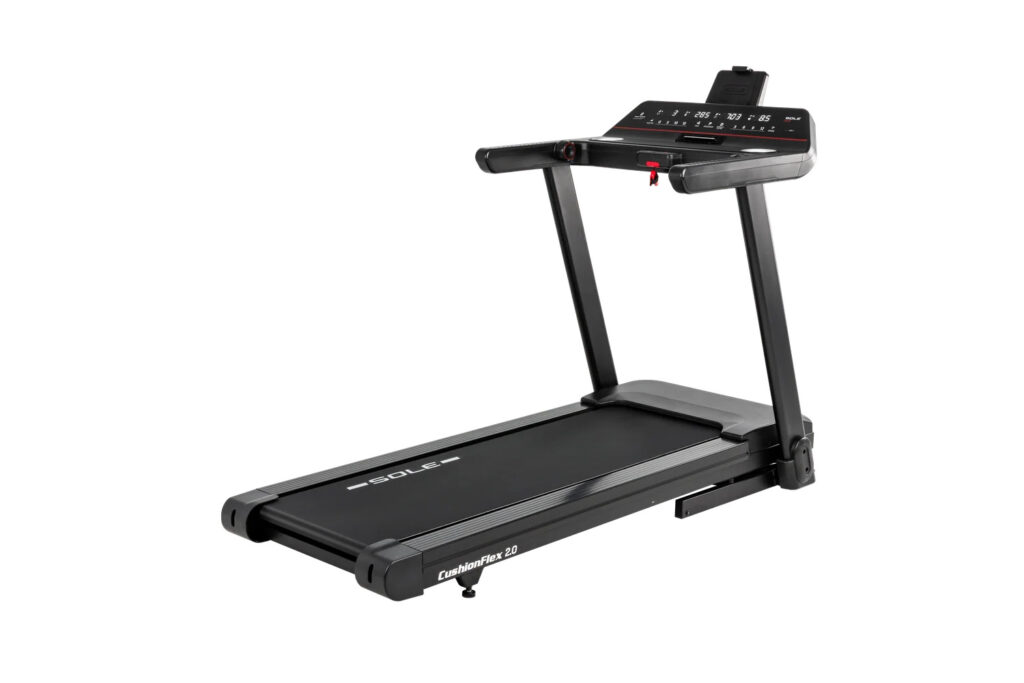
Make sure the deck actually gives you enough room to walk or run comfortably. As we discussed in Part 4, we’d generally look for around a 20″ x 55″ surface for walking and closer to 20″ x 60″ for regular running.
Taller runners and anyone with a longer stride may appreciate even more room.
You shouldn’t have to shorten your stride or constantly think about where you are on the belt while you’re exercising.
3. The Treadmill Isn’t Designed for How You’ll Use It
This sounds obvious, but it’s probably one of the easiest mistakes to make.
An inexpensive treadmill may be perfectly good for walking a few times a week but a terrible choice for someone planning to run five miles every morning.
The opposite can also be true. There’s no reason for a casual walker to spend $4,000 on a treadmill designed to handle serious running and hours of daily use.
Buy for what you’re realistically going to do, not simply because one treadmill has better specs than another.
4. You’re Buying It Mainly for the Screen
We’ve seen treadmill consoles change dramatically over the years, and some of today’s touchscreens are pretty impressive.
Just remember that you’re buying a treadmill.
We’d rather have a well-built $2,000 treadmill with a basic console than a mediocre $2,000 treadmill with a beautiful 20-inch touchscreen.
Also find out what that screen can actually do. Some treadmill displays are heavily tied to a subscription service, like iFIT, and their functionality may be considerably more limited if you decide not to continue paying for it.
If the technology is important to you, great. Just make sure the treadmill underneath it is good too.

5. It Doesn’t Feel Smooth
If you have an opportunity to test a treadmill, pay attention to how the belt feels at different speeds.
Acceleration and deceleration should feel relatively smooth, the belt should remain centered and you shouldn’t hear unusual grinding, slipping or other noises.
Don’t just walk on it for 30 seconds. If you’re a runner, run on it. Raise the incline. Change speeds. Use the treadmill the way you’re actually going to use it at home.
If something doesn’t feel right on a brand-new floor model, we’d want to know why before buying one.
6. It Doesn’t Have Basic Safety Features
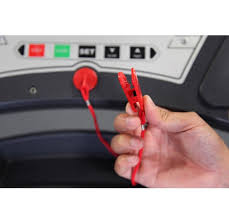
Every motorized treadmill we’d consider should have an emergency stop system, typically a safety key or clip that attaches to your clothing and stops the belt if you fall or move too far away from the console.
Make sure it’s easy to reach and use.
This isn’t one of the exciting features you’ll see highlighted on a product page, but it’s one we’d consider essential.
7. The Warranty Gives You Pause
We wouldn’t use one specific warranty length as a universal cutoff anymore because coverage varies considerably by manufacturer and price range.
Instead, look at the entire warranty.
How long are the frame and motor covered? More importantly, how much coverage do you get for parts and labor? Who actually handles service if something goes wrong?
A short warranty on an inexpensive treadmill isn’t necessarily surprising. A weak warranty on an expensive treadmill would concern us much more.
Also make sure you’re looking at the current warranty. We’ve seen manufacturers change their coverage over the years, so don’t rely on an old review or product listing.
8. You Can’t Get Parts or Service
This one doesn’t show up on a spec sheet, but it matters if you plan on owning your treadmill for a long time.
Before spending a significant amount of money, we’d want some confidence that the manufacturer will still be around to answer the phone, provide replacement parts and help arrange service if something goes wrong.
We’ve seen plenty of treadmill companies disappear over the years. A bargain isn’t much of a bargain if you can’t find a replacement part two years later.
This is one reason we’re more comfortable recommending established manufacturers, particularly as treadmill prices get higher.
9. The Deal Seems Too Good to Be True
Be careful about judging treadmills based on the “regular price.”
The fitness equipment industry loves sales, and some treadmills seem to be discounted almost permanently. A treadmill advertised as “$2,499 – NOW $1,499” isn’t necessarily a $2,500 treadmill. It’s likely never been at that price.
Look at what comparable machines actually sell for and judge the treadmill at the price you’re really paying.
We’ve seen some excellent treadmill deals over the years, but a giant percentage-off number by itself doesn’t make something a good value.

10. You Haven’t Measured Your Space
Finally, don’t hit the Buy button until you’ve measured.
Check the treadmill’s full assembled dimensions, not just its folded dimensions. Make sure you have enough clearance around and behind it, and check your ceiling height if it’s going into a basement or another room with a low ceiling.
We’ve seen some very large treadmills look surprisingly compact in manufacturer photos.
They don’t look nearly as small when the delivery truck drops one off at your house.
One Last Piece of Advice
Don’t look for a treadmill that wins every comparison on paper. Look for one that gets the important things right for you.
A walker, serious runner, family of four and someone squeezing a treadmill into an apartment shouldn’t all end up buying the same machine.
That’s really the point of this entire guide. Figure out what you need, establish a realistic budget, understand what you’re paying for, compare the specifications that actually matter and don’t ignore the warning signs just because you found a great price.
Do those things and you’ll have a much better chance of buying a treadmill you’ll still be happy with years from now.
Summary
1. How To Buy The Best Treadmill For Your Budget
2. How Much To Spend On A Treadmill
3. What Gives Value To A Treadmill