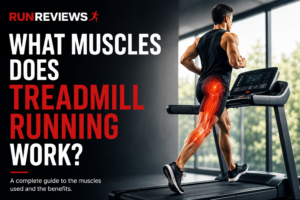
Working out on the treadmill may not seem that difficult. But if you come to think of it, neither does outdoor running. The fact is that both types of exercise leave plenty of room for mistakes, and those mistakes can compromise the effectiveness of your workouts in both the short and long term.
When it comes to treadmills, the possibility of developing bad habits is actually pretty high. The machine is easy to use, comfortable, and very predictable, which sometimes causes us to stop paying attention to our form.
Let’s take a look at some of the most common treadmill mistakes.
1. Jumping Onto the Belt When It’s Already Moving
One of the biggest mistakes people make is trying to jump onto the treadmill when the belt is already moving at full speed.
Don’t do it.
This move can easily lead to injury.
Begin by standing on each side of the treadmill. It’s also easier on the machine if you start it while you’re standing on the side rails rather than directly on the belt. Start the treadmill at the lowest speed possible and then step on.
Before beginning your workout, make sure the emergency stop clip is attached and within reach.
Once you are walking comfortably, gradually increase the speed. Do not increase it suddenly and be careful not to be taken by surprise.
2. Holding Onto the Handrails
When first using a treadmill, most beginners have the tendency to hold onto the handrails for stability. This is perfectly fine during your first few sessions, but it is not something you want to continue doing long term.
Holding onto the handrails doesn’t allow your arms to move naturally and can lead to poor walking and running mechanics.
Look at professional athletes running. Now imagine those same athletes running without moving their arms.
It would look strange and unnatural.
If you constantly need the handrails, the speed or incline is probably too high. Slow things down and focus on developing good form.
Remember, you’ll get a better workout exercising correctly at a slightly slower speed than exercising incorrectly at a faster pace.
3. Looking Down and Developing Poor Posture
Many treadmills today come with large screens, TVs, and entertainment systems. While these features can make workouts more enjoyable, they can also create bad habits.
If you’re constantly looking down at your phone, reading a magazine, or hunching your shoulders while watching TV, you can develop poor posture.
Whether you walk or run, the correct posture is:
- Head up
- Eyes forward
- Shoulders relaxed
- Body upright
If you insist on watching TV or using a device during your workout, try to keep the screen at eye level.
Poor posture can eventually contribute to neck, shoulder, or lower back discomfort. It can also make breathing less efficient and make your workouts feel harder.
Many of us already spend enough hours sitting in front of computers with poor posture. The treadmill should be a place where we reinforce good habits.
Every few minutes, do a quick posture check.

4. Overstriding
Overstriding is something many people do because we’ve never really learned proper walking or running mechanics.
You overstride when your front heel hits the ground too far in front of your body.
Many people do this because they think taking longer steps will make them move faster.
Usually, it doesn’t.
The correct movement is for your front foot to land closer to your body while the back foot remains on the ground a little longer to provide the push-off power.
By doing this correctly, you often become more efficient and may actually move faster while using less energy.
When training, you may need to shorten your stride and take slightly quicker steps.
Another helpful tip is to bend your elbows a bit more and let your hands naturally fall toward your hips. Holding your hands too high often causes extra bouncing and can contribute to overstriding.
A good cue is to imagine running on a very hot surface. Quick, light steps often improve running mechanics.
5. Not Using Your Arms Correctly
Many people underestimate how important arm movement is while walking and running.
Proper arm movement can improve rhythm, efficiency, and even help you move faster.
Some things to remember:
- Bend your arms about 90 degrees.
- Keep them close to your body.
- Relax your shoulders.
- Move your arms forward and backward rather than side to side.
- Your arms should move opposite your legs.
- Avoid letting your hands cross the midpoint of your body.
You don’t need to overthink it, but paying attention to arm movement for just a few minutes during each workout can help correct bad habits over time.
6. Walking Too Fast
Another common mistake is simply trying to walk too fast.
You should walk as fast as possible while still maintaining proper posture and mechanics.
If increasing the speed causes you to lean forward, overstride, or hold onto the handrails, then you’re probably moving too quickly.
At the beginning of your workout, warm up at an easy pace for five minutes.
Then gradually increase your speed.
If brisk walking starts to feel awkward, consider mixing in short jogging intervals instead.
Check out some great walking treadmills here.
Remember, the most important thing is to exercise correctly. You’ll usually get a better workout by moving properly at a slightly slower pace.
7. Wearing the Wrong Shoes
Never lose focus on your shoes.
They can be one of the primary factors in determining whether your workouts are successful or frustrating.
Worn-out or inappropriate footwear can contribute to foot discomfort, knee pain, and even lower back tightness.
Your walking mechanics matter as well.
The proper walking motion is generally to strike with the heel and then roll through the foot toward the toes.
You don’t need to obsess over every step, but occasionally paying attention to your mechanics can help prevent bad habits from developing.
8. Never Using Incline
Many people leave their treadmill at a 0% incline every single workout.
While there’s nothing wrong with flat walking occasionally, adding some incline can make your workouts more effective.
Incline training can:
- Increase calorie burn
- Challenge different muscle groups
- Add variety
- Better simulate outdoor conditions
You don’t need to turn every workout into a mountain climb, but occasionally adding incline can help keep things interesting.
9. Skipping Warm-Ups and Cooldowns
Many people simply jump on the treadmill and immediately start running.
Others finish a hard workout and hit the stop button right away.
A few minutes of warming up and cooling down can make a big difference.
Start slowly, allow your body to loosen up, and gradually increase intensity.
At the end of the workout, spend a few minutes bringing your heart rate back down before stepping off.
10. Not Challenging Yourself
This is probably one of the most common treadmill mistakes.
If you train every day and perform the exact same workout, eventually your body adapts.
You stop improving and often become bored.
There are several ways to challenge yourself:
- Increase speed slightly
- Add incline
- Increase workout duration
- Add intervals
- Try built-in workout programs
- Set new distance goals
If you walk or run three miles every day, perhaps your next goal is four miles.
The key is to increase gradually.
Do not try to reach a new goal in a single training session.
Also, if your treadmill offers features like virtual routes or virtual opponents, don’t be afraid to use them. They can make workouts much more enjoyable.
Final Thoughts
Do not underestimate the treadmill.
It is accessible, convenient, and easy to control, but small mistakes repeated over weeks and months can lead to poor habits and disappointing results.
The time spent on the treadmill should be used to develop good habits and improve your health.
Focus on good posture, proper mechanics, and gradual progression, and you’ll get far more out of your workouts for years to come.